Flush to the wall means the cabling has to be right the first time.
Samsung Frame, LG Gallery and other no-gap designs, fitted on a slim bracket with the One Connect box and the cable route settled before anything is drilled.
Flush to the wall
Why these sets need a different bracket
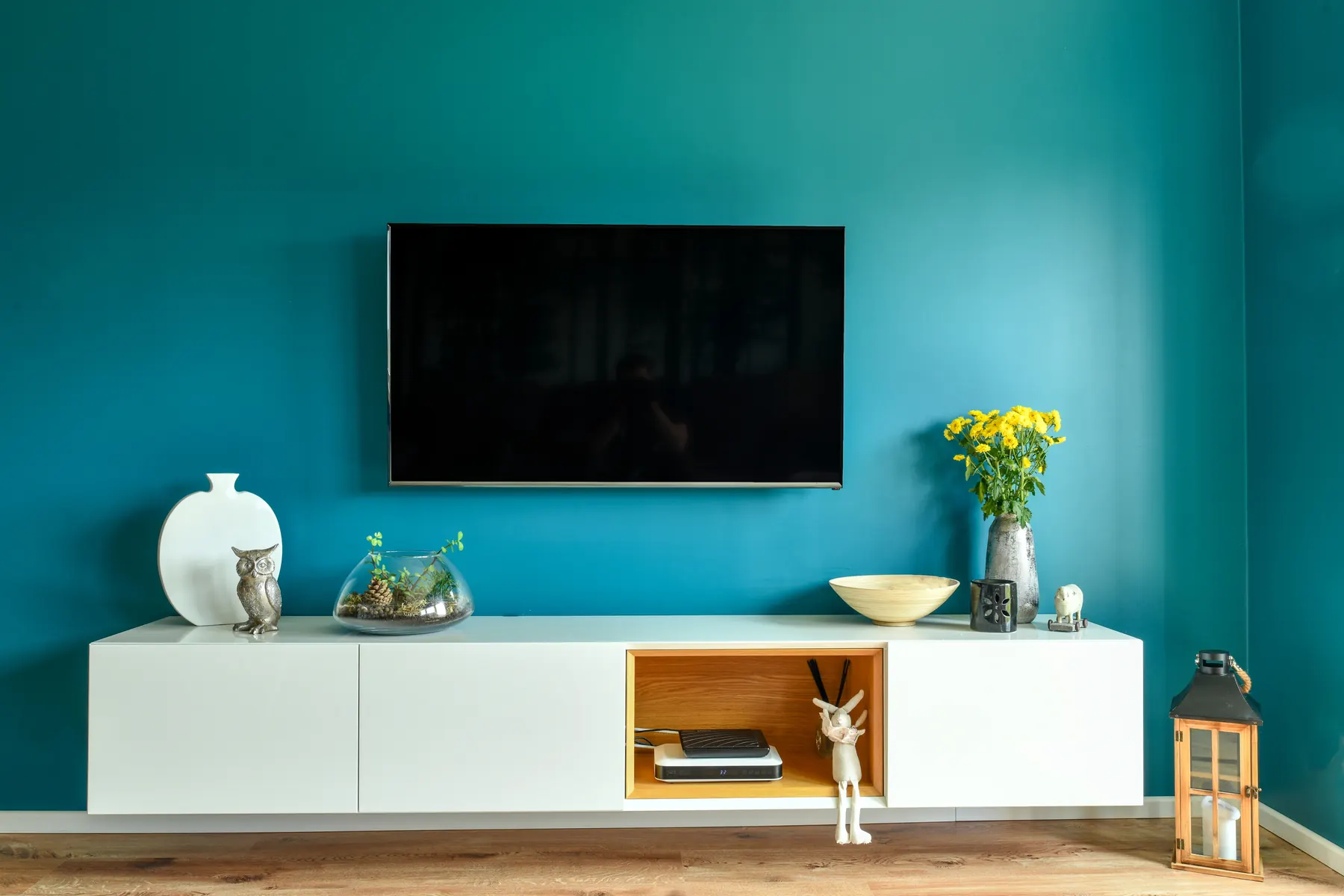
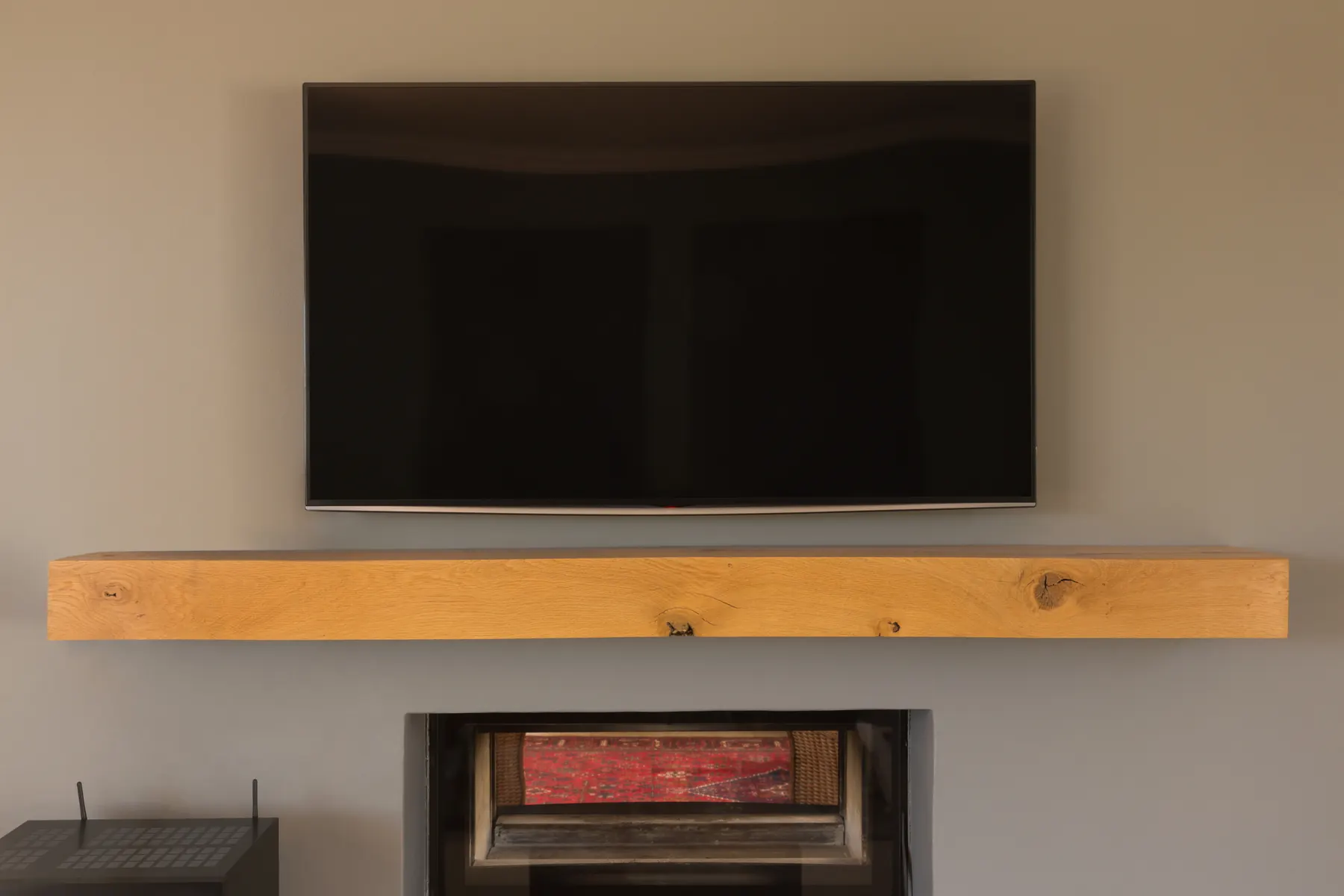
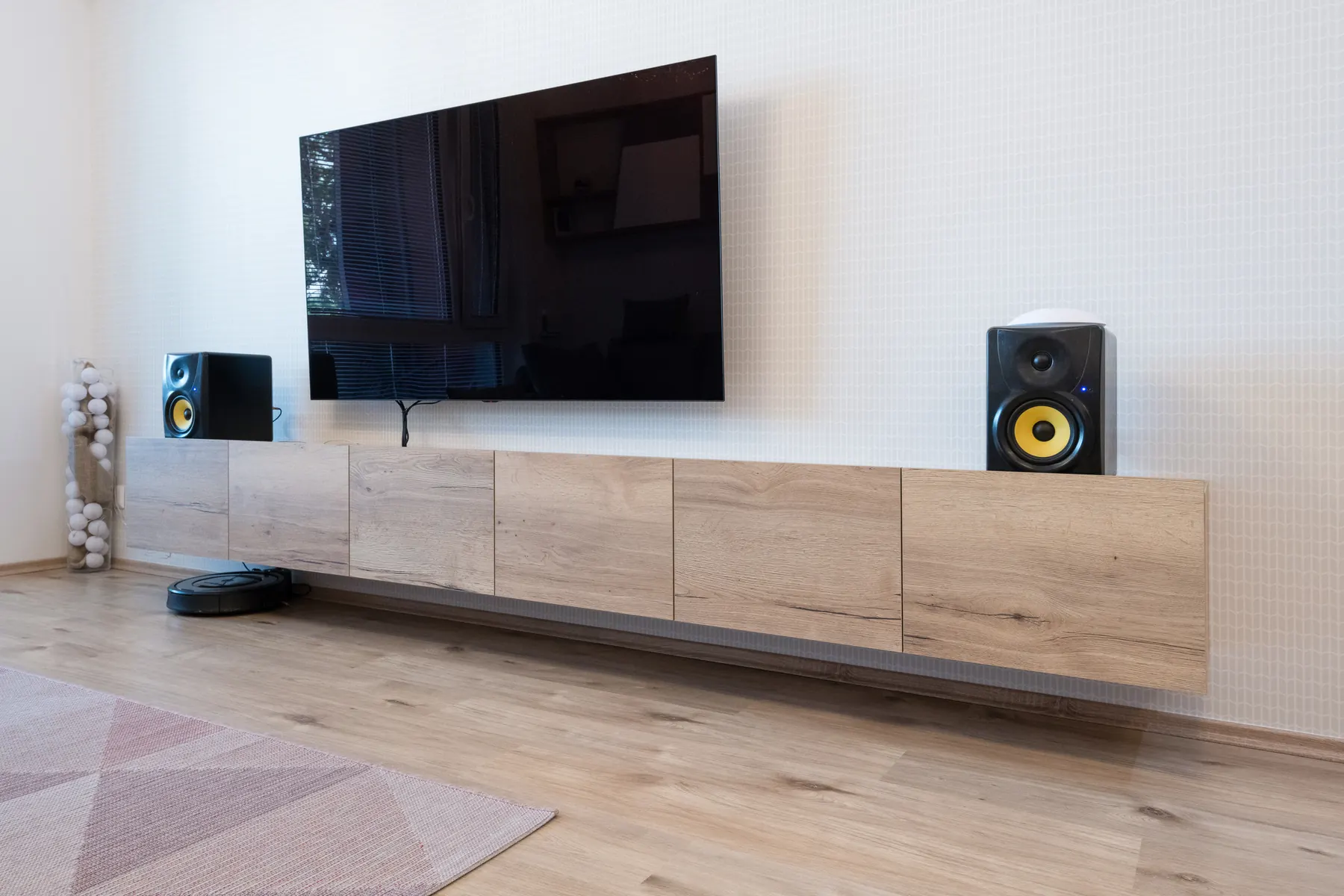
A Frame or a Gallery set is built to sit against the plaster with almost no shadow behind it. A standard bracket will not let it. The plate and arms on a normal mount hold the screen out from the wall by an inch or more, which is the gap the whole design exists to avoid.
These sets ship with, or take, a slim no-gap bracket. The rail is thin, the arms are shallow, and the tolerances are tighter, so the rail has to be dead level and dead flat against the wall. A wall that bows, or a rail bridging a skim that is not true, shows as a screen that sits proud at one corner. On a flush set that is the first thing anyone sees.
Because the bracket is slim, the load path is short and the fixings matter as much as ever. Timber studs take lag bolts into the centre of at least two. Concrete takes proper anchors. Nothing changes there just because the screen is thin.
The One Connect box is the job
On these sets almost everything lives in a separate box, and one slim cable runs from the box to the screen. That is what lets the panel sit flat. It also means the decision that shapes the whole install is where the box goes.
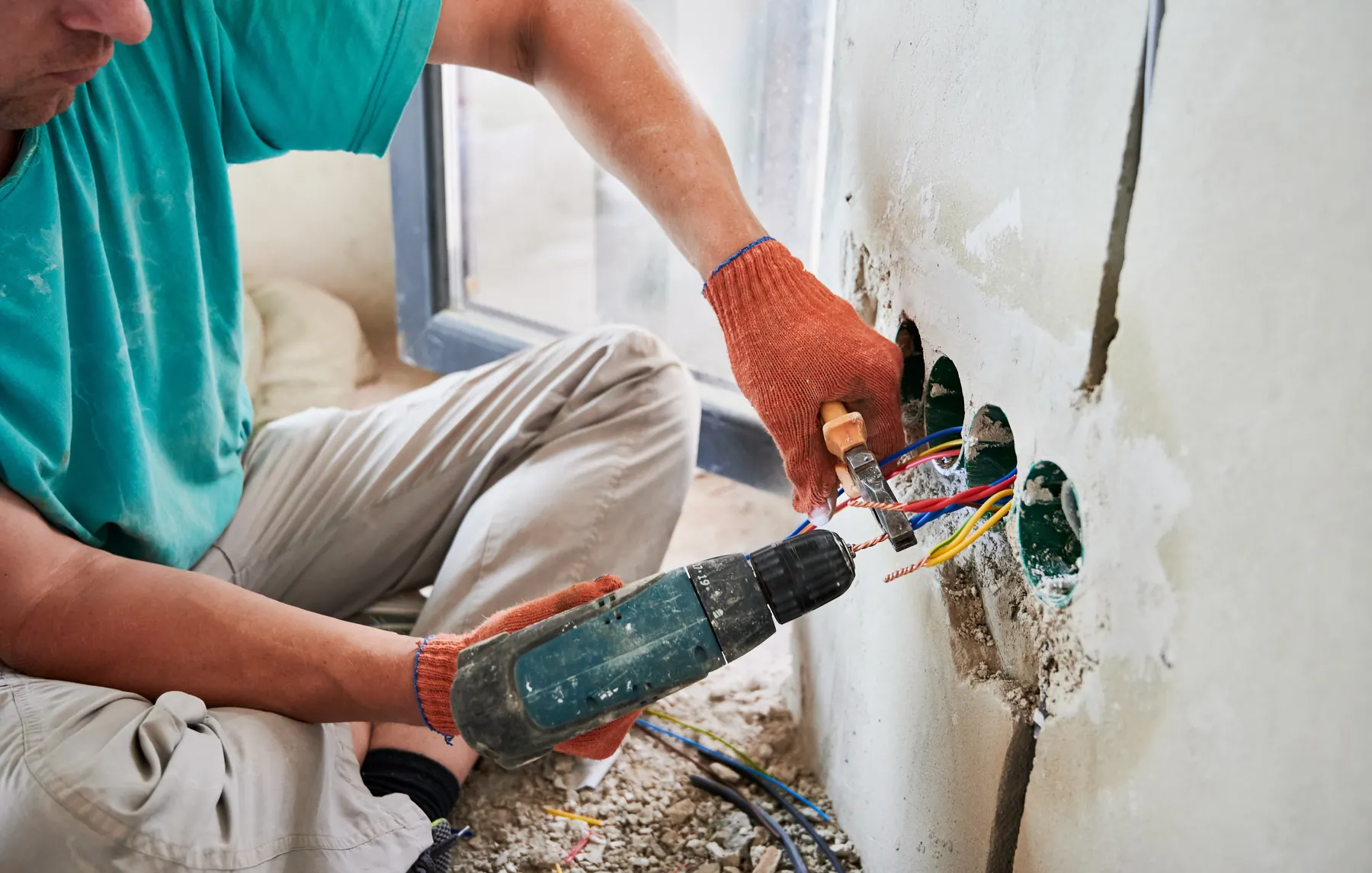
There are three usual answers. In a cabinet or a cubby below, with the cable run inside the wall to a plate behind the screen. Clipped to a bracket on the back of the set, where the bracket and the wall allow the depth. Or in another room or a cupboard, if the run can get there. Each one has consequences for the cable route, the socket position and what you can change later, so we agree it with you before the drill comes out.
No way in afterwards
A flush screen cannot be pulled forward to get a hand behind it. On a normal mount you can tilt the set off the wall and add a cable later. Here you cannot, so everything that will ever plug in has to be in place the first time: power, the one connect cable, and anything else you might want behind the screen rather than in front of it.
So we ask the awkward questions first. Is there an outlet behind where the screen lands. Is there a soundbar or speakers coming later. Is anything going in the wall that an inspector would want done properly. The quote comes after that conversation and before any work, and it does not move afterwards.
How it goes
The order of work.
Tell us the model and the wall
Book online or call. We need the set, whether it is a Frame, a Gallery or another flush design, and what the wall is made of.
Decide where the box lives
We agree the position of the One Connect box and the cable route before anything is drilled, because a flush screen cannot be opened up later.
Fit the slim rail
The no-gap rail goes into studs or masonry with the fixings the wall actually needs, checked level in both directions and flat against the plaster.
Cables first, then the screen
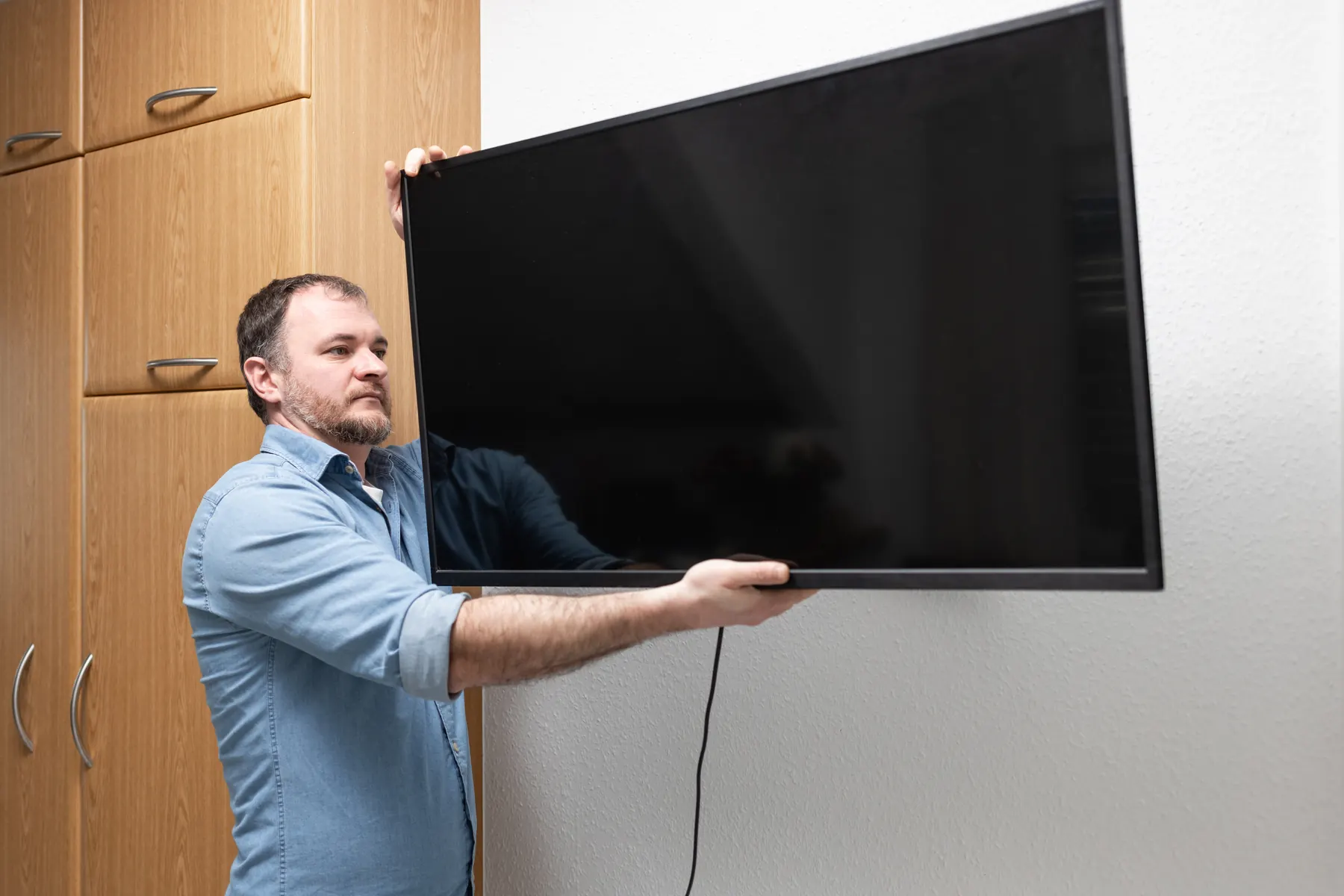
Cables are run and dressed before the set goes on. Then the panel drops onto the rail, sits tight to the wall, and we check the gap at every corner.
Will it really sit flat against the wall?
That is what these sets are designed to do, and with a slim rail on a flat wall they do. The limit is the wall, not the bracket. A wall that bows will show at one corner, and we tell you that before we fit rather than after.
Where does the One Connect box go?
Usually in a cabinet or a cubby below the screen, sometimes clipped behind the set where the depth allows, sometimes in another room. We agree it with you first, because the cable route and the socket position both follow from it.
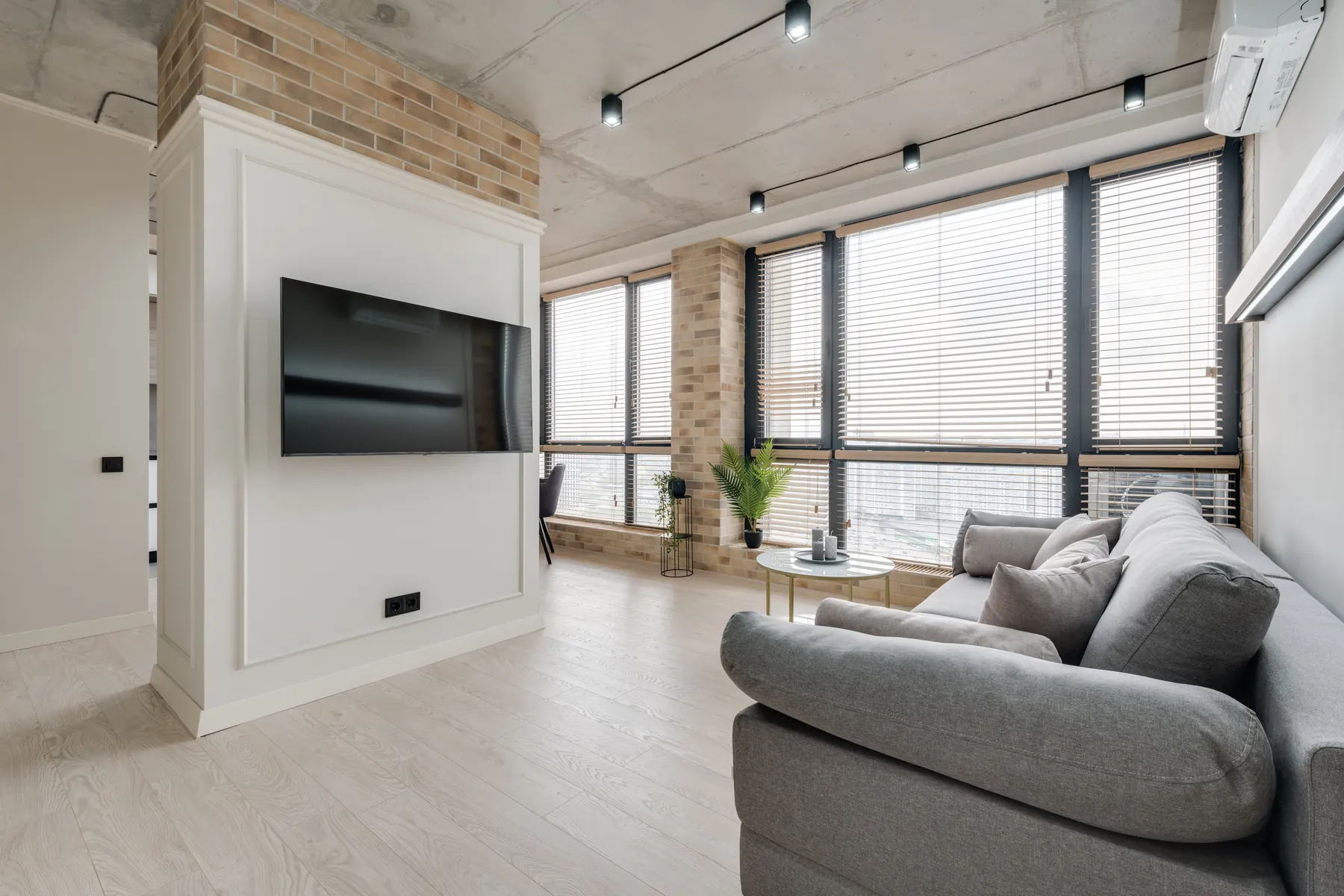
Can you do this on a concrete condo wall?
Yes. The rail is slim but the fixings are ordinary masonry work: a hammer drill and anchors rated for the load. Tell us the building, because some want the service lift booked and a certificate of insurance on file.
Can I add a soundbar later?
Ask for it now rather than later. Once a flush screen is on the wall there is no reaching behind it, so any cable you might want has to be in place before the panel goes up.