About us
The wall decides everything.
No awards wall, no founder photograph. What we can tell you is what holds a screen up, what does not, and which of those your wall is.
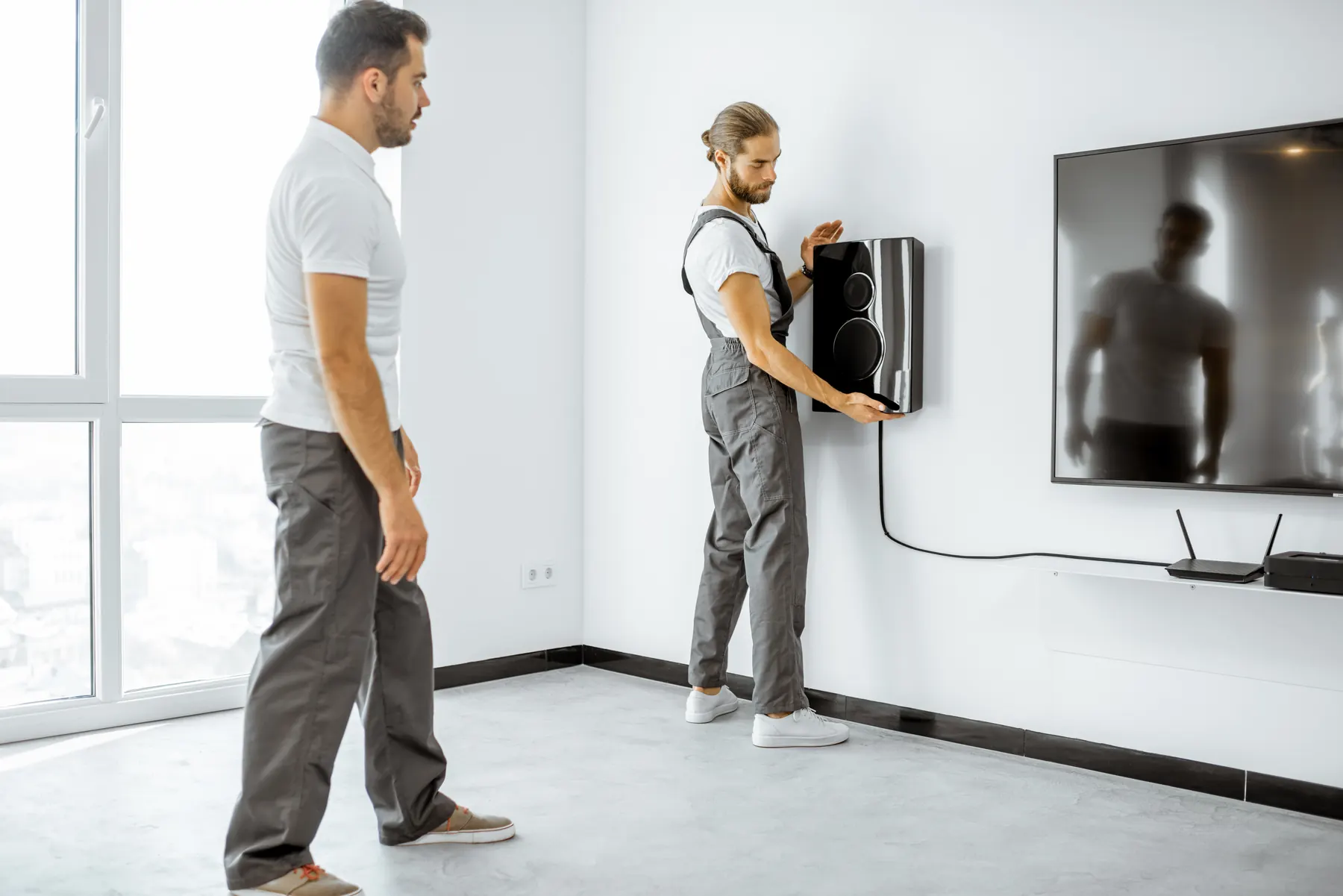
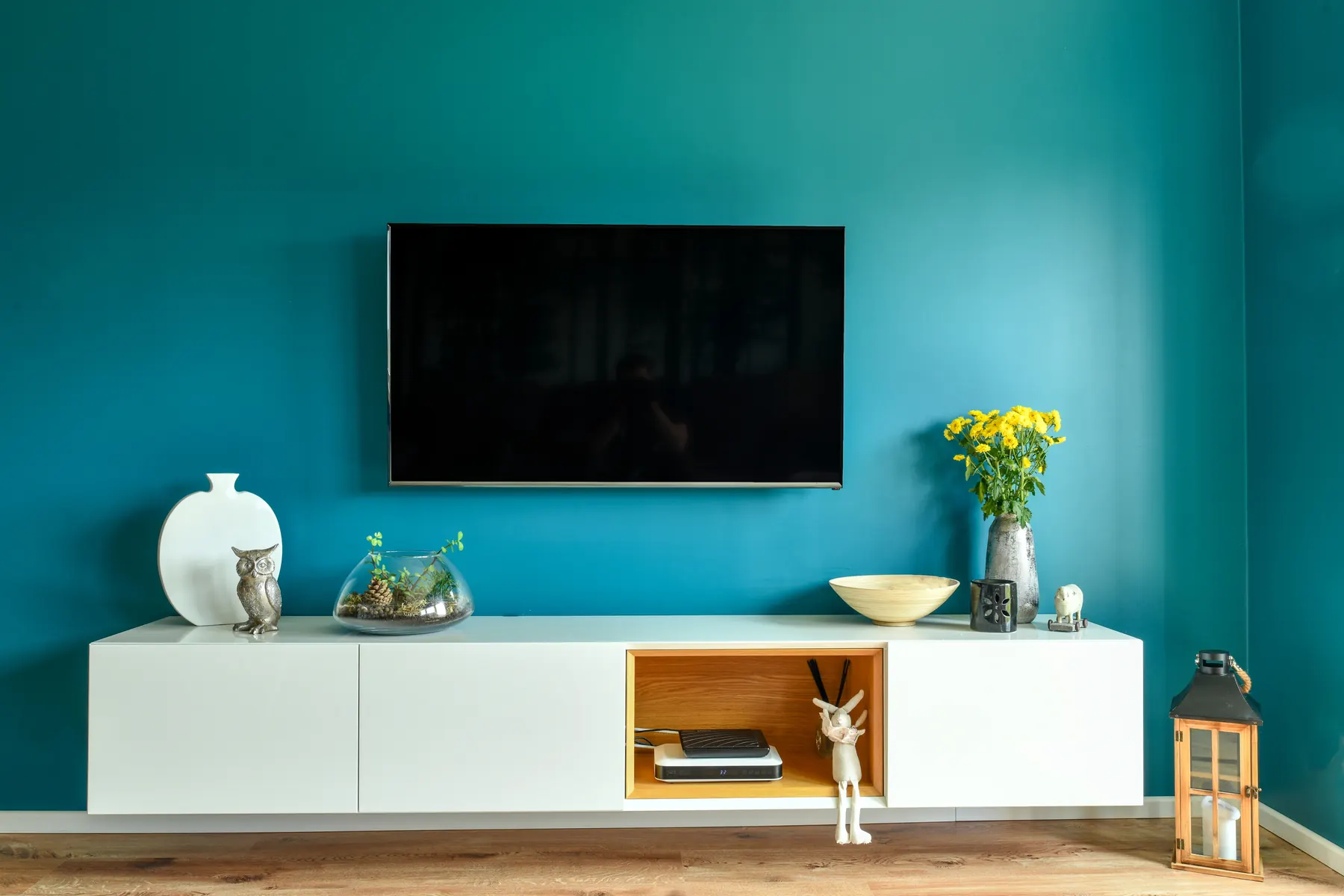
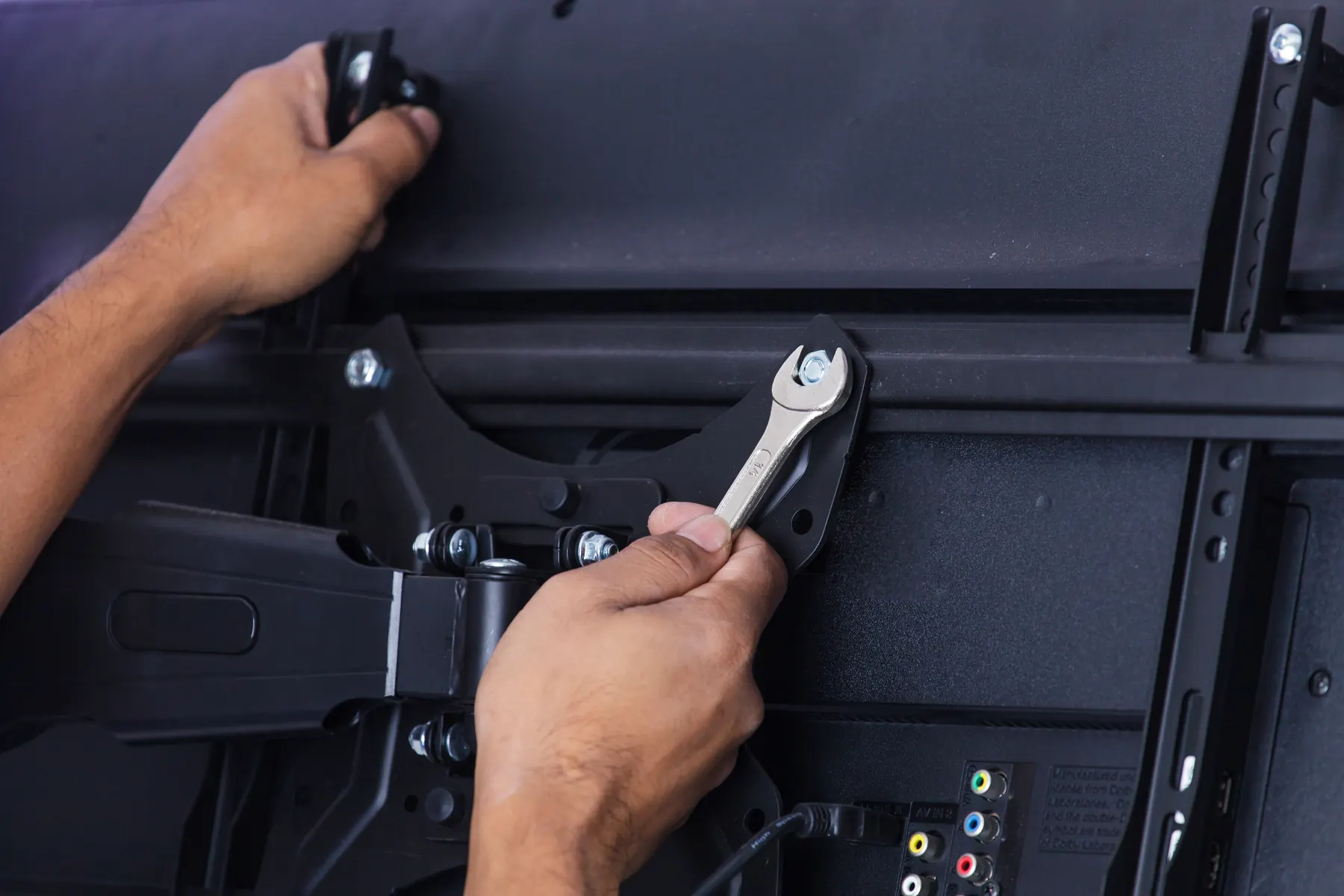
TV Installers mounts televisions across Toronto and the GTA, in houses, condos, offices and retail units. That is the whole job description. What follows is not a company history, because the thing worth knowing about a trade is how the work is done and where it goes wrong, not when somebody registered a name.
What a good mount looks like
A screen that has been mounted properly is boring to look at. It sits level, it sits flush, and it does not move when you push a corner of it. The plate is fixed through the drywall into solid timber or steel, or into concrete or brick with anchors rated for the load, and every hole the manufacturer put in that plate has something in it.
A mount that will sag looks identical on the day it goes up. The difference is behind the plate: one stud instead of two, plastic plugs in plasterboard, or fixings into the timber of a mantel rather than the masonry behind it. Drywall anchors hold a picture frame. They do not hold a large panel on an articulated arm, because the arm multiplies the load every time somebody swings the screen towards the kitchen. Failures are rarely sudden. The plate tips a degree, the top edge creeps forward over a few months, and then the anchors let go at once.
Why we ask what the wall is before quoting
The first question is never about the television. It is about the wall. Drywall over timber studs, drywall over steel studs, poured concrete, brick, tile, and a false chimney breast built out of panelling are six different jobs with the same screen on the front of them. They need different bits, different anchors and different amounts of time.
So we ask what the wall is made of, whether you know where the studs run, whether there is already a socket behind the screen, and how high you want the centre of it. We ask the screen size and the model, because the model decides the VESA pattern and the weight, and those decide the bracket. That is not sales qualification. It is what has to be known before anyone agrees a figure.
Walls do lie. A wall described as solid turns out to be a studded box built in front of the original one. A chimney breast turns out to be hollow above a certain height. Steel studs appear where timber was expected, which changes the fixing from a lag screw to a toggle rated for steel. When that happens we stop and say so before drilling. Sometimes it means a different bracket, sometimes moving the screen a few inches to catch structure, and occasionally it means the position you wanted will not hold. You hear that while the wall is still undamaged.
What we will not do
Two refusals come up often enough to write down. The first is a thin hollow partition with nothing solid behind it. Some modern walls are a single skin of board on a light frame with voids where studs would be useful, and no fixing invents structure that is not there. We will find the nearest wall that works, or tell you the screen belongs on a stand.
The second is a screen above a working firebox where the air gets hotter than the manufacturer permits. Heat does not break a panel on the first evening. It shortens the life of the set quietly, and it voids the warranty while doing it. We check the temperature above the opening before mounting rather than after.
What the price before anyone drills means
It means the figure is agreed while the walls are still intact. Once we have seen the wall and the screen, you get a number, and that number is what the job costs. Nothing is added at the end because the studs turned out to be steel, because the bracket had to change, or because the cable run was longer than it looked. If the wall changes the job, that conversation happens before the drill comes out, and you are free to say no.
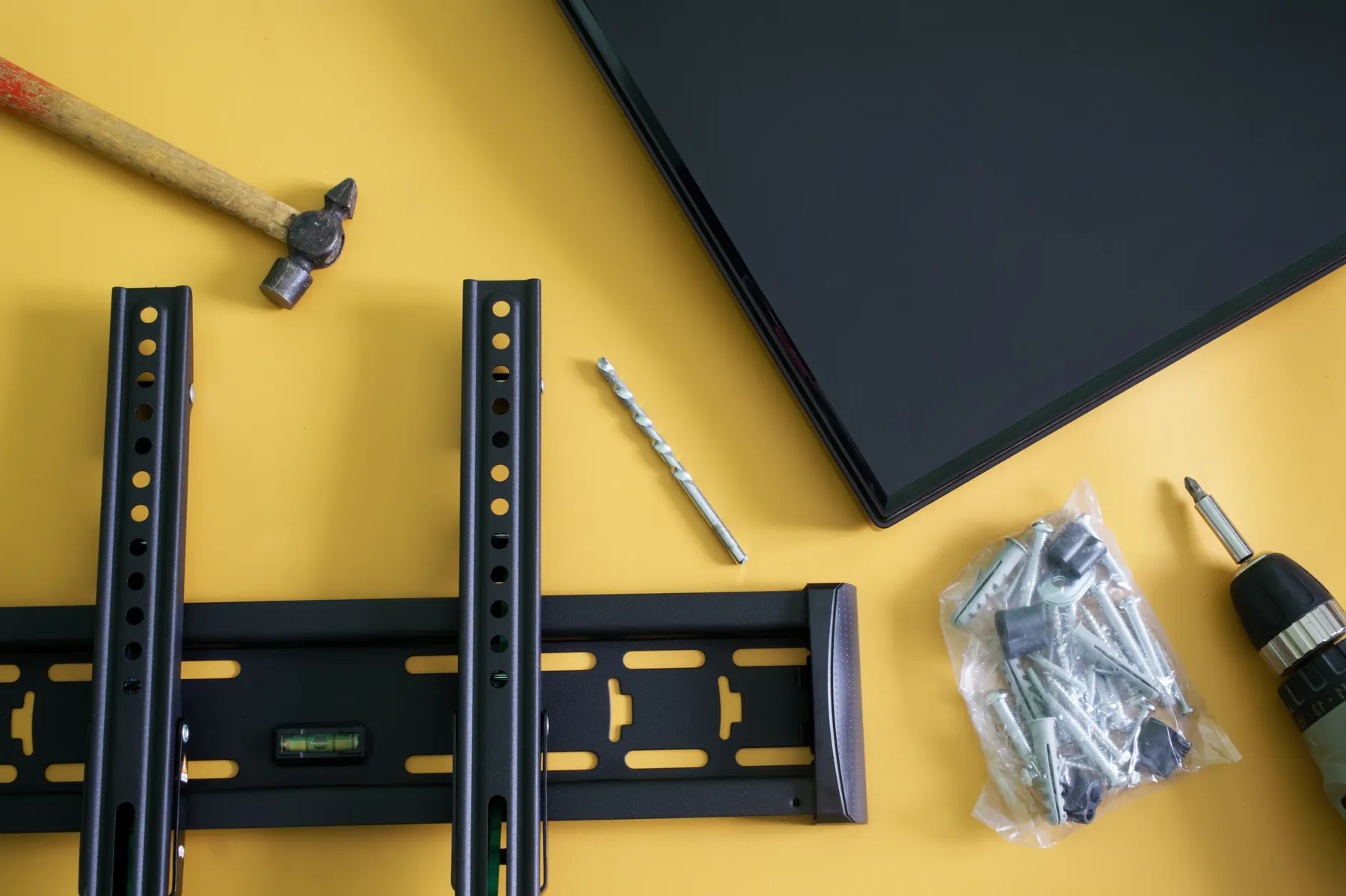
What you are paying for
The parts of the job you never see.
- Finding the structure. Studs, or the solid part of a masonry wall. Everything else is decoration.
- Choosing the fixing. The screws in the box suit one wall. Yours may not be that wall.
- Setting the height. Near seated eye level, which is almost always lower than the wall invites.
- Leaving nothing behind. Cables tidied, old bracket gone, packaging out with us.